Nº 01 Essay
Why we plan the dayaround the light
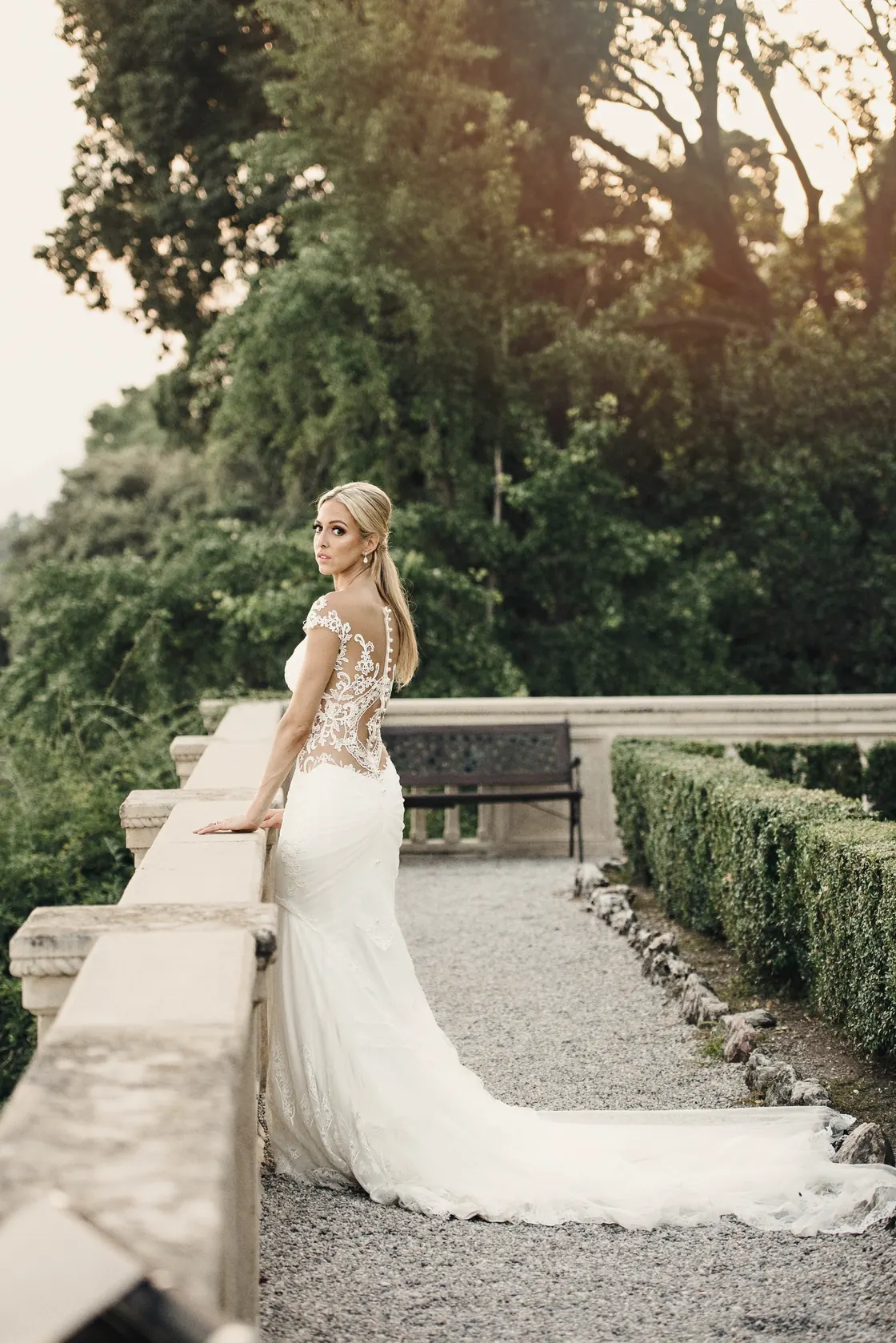
Ask any wedding photographer what makes the biggest difference to a gallery and most will give the same answer. Not the camera, not the venue. The light, and whether the day was planned around it.
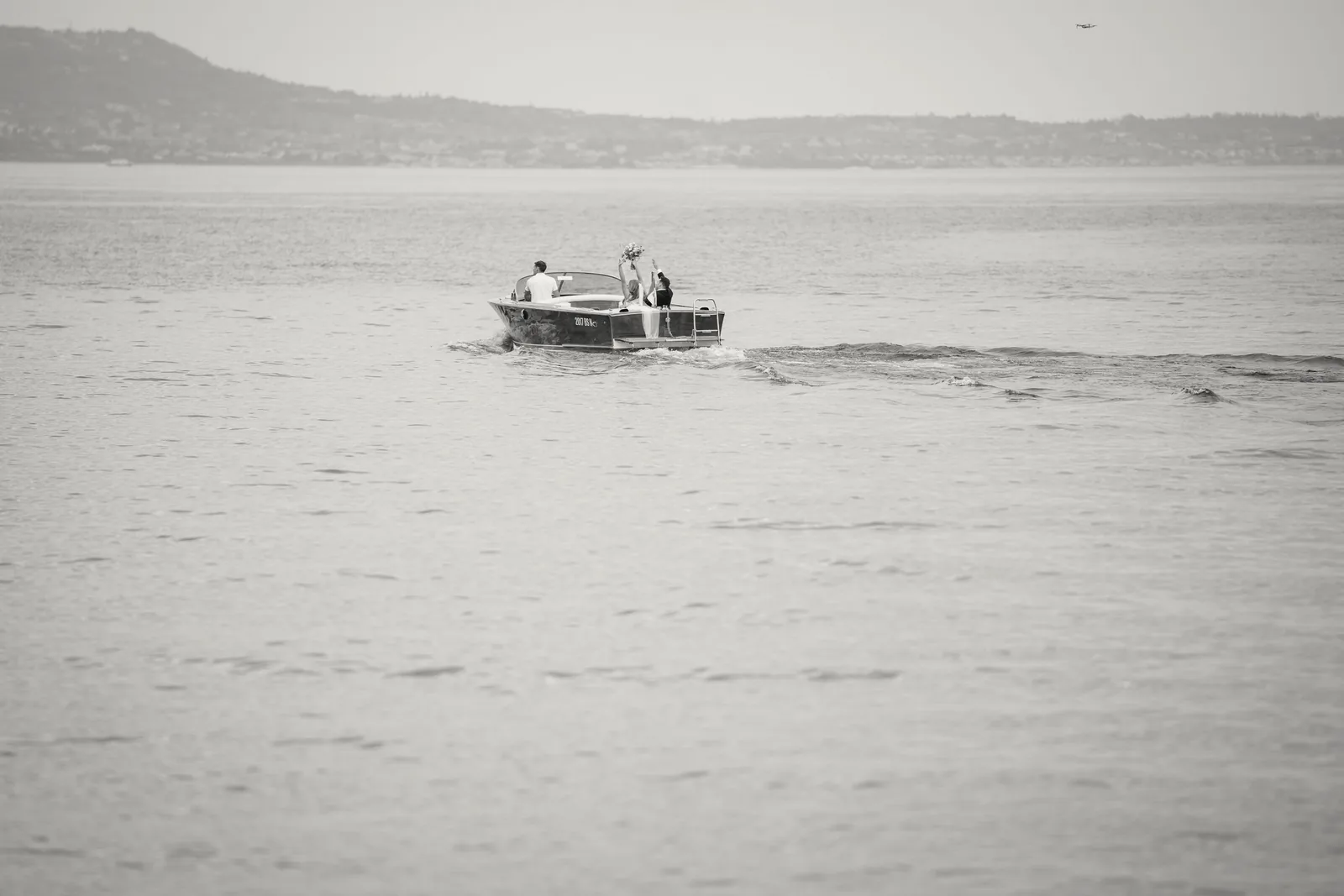
On the lakes the light changes fast. Mountains block the sun earlier than you expect, the water throws it back up under the terraces, and in September the last good hour can arrive before dinner is even served.
Nº 01Start with sunset, then work backwards
The first thing we do with any timeline is look up sunset for the date and check where the sun will set relative to the venue. From there we place the moments that matter most: portraits about an hour before, the ceremony when the light is soft rather than overhead, the aperitivo when the lake is at its best.
Twenty minutes in the right light is worth two hours in the wrong one.
Nº 02Avoid the midday ceremony, if you can
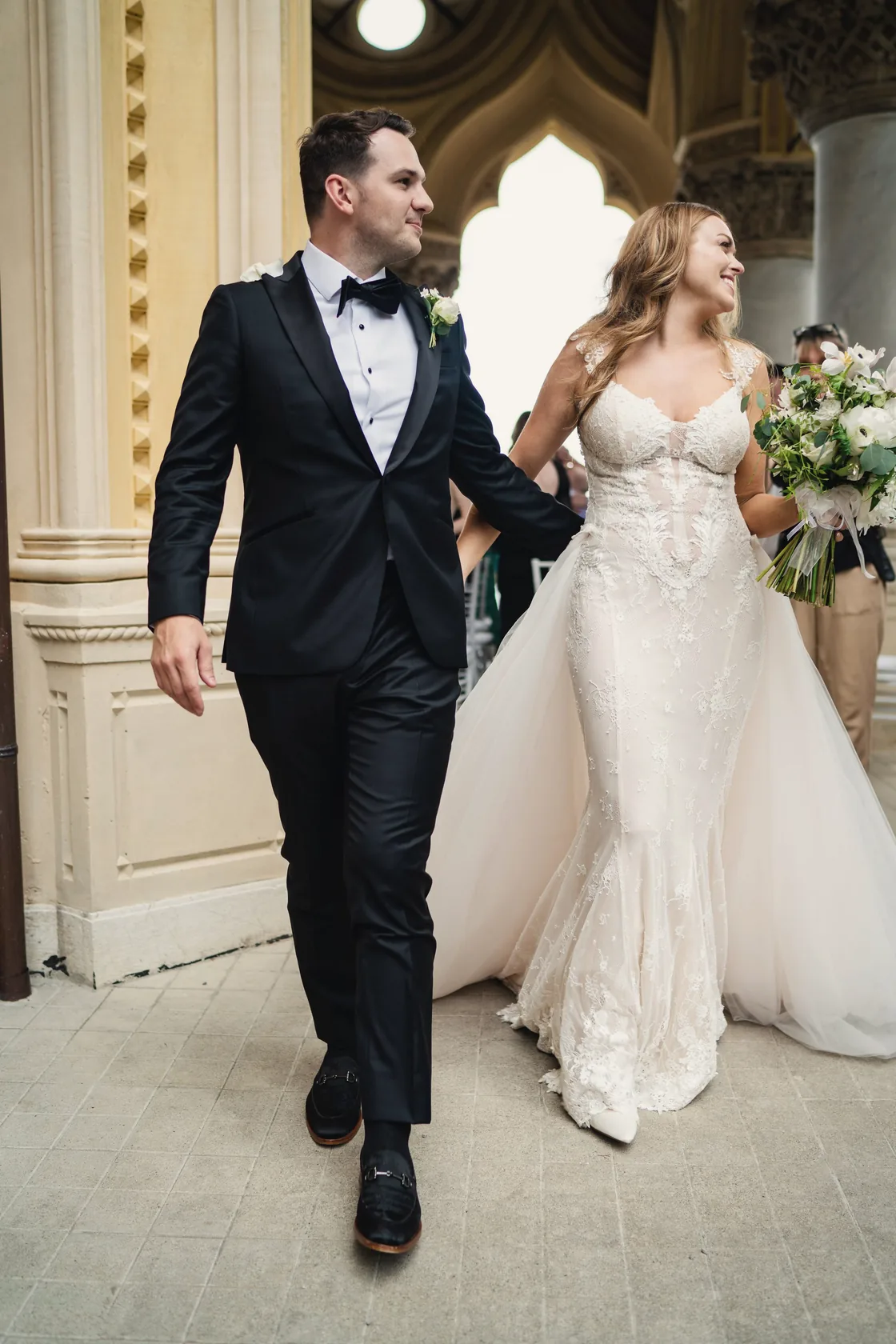
A ceremony at noon in July means hard shadows, squinting guests and dark eye sockets. A ceremony two hours later, in shade or with the sun behind you, changes everything. If the church or the commune sets the time, we plan where everyone stands instead.
Nº 03Leave room for the unplanned
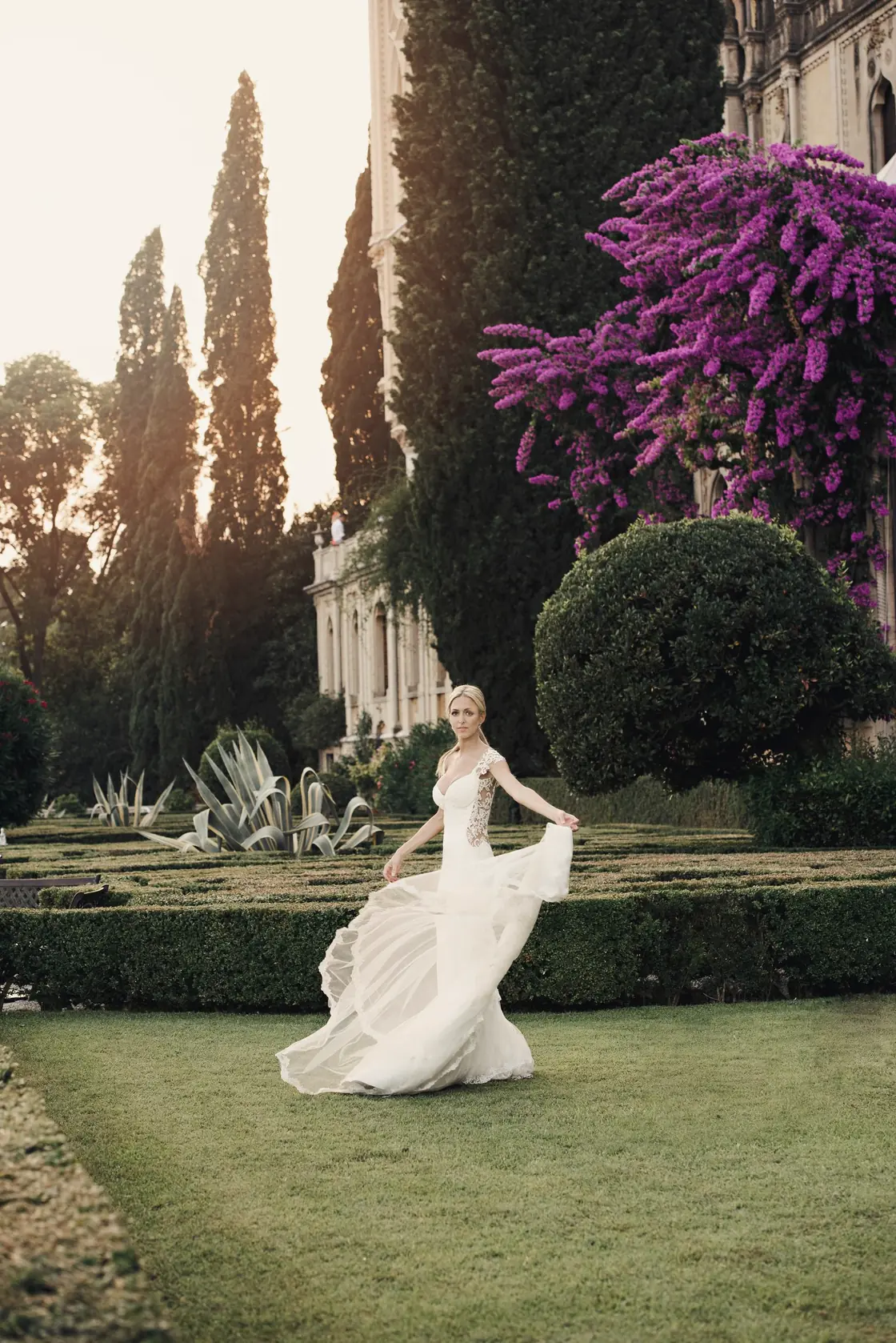
The best light of the day rarely waits for a schedule. We always keep ten unclaimed minutes around golden hour, so when the sky does something remarkable we can step outside without derailing dinner.
- Look up sunset for your exact date and location
- Portraits 60 to 90 minutes before sunset
- Ceremony in open shade or with the sun behind
- Ten flexible minutes around golden hour
- A rain plan with a window, a porch or a loggia
None of this needs to feel rigid. Planned well, it simply means you get to enjoy the evening, and the photographs take care of themselves.